
6 Ways that Alcohol Makes Depression Worse

They struggle to cope with depression while failing in the battle with alcohol use disorder. In turn, that creates a vicious cycle that may seem Halfway house impossible to break free. It can be tempting to drink if you’re feeling unhappy, but there’s a better solution out there. When treating depression and substance abuse, consult with a mental health professional and/or an addiction specialist who can provide resources and recommendations for possible treatment options. Major depressive disorder involves persistent and prolonged symptoms, but depression, in general, takes on many different forms. Depressive symptoms can result from life stressors, mental health conditions, medical conditions, and other factors.
Alcohol and Depression FAQs
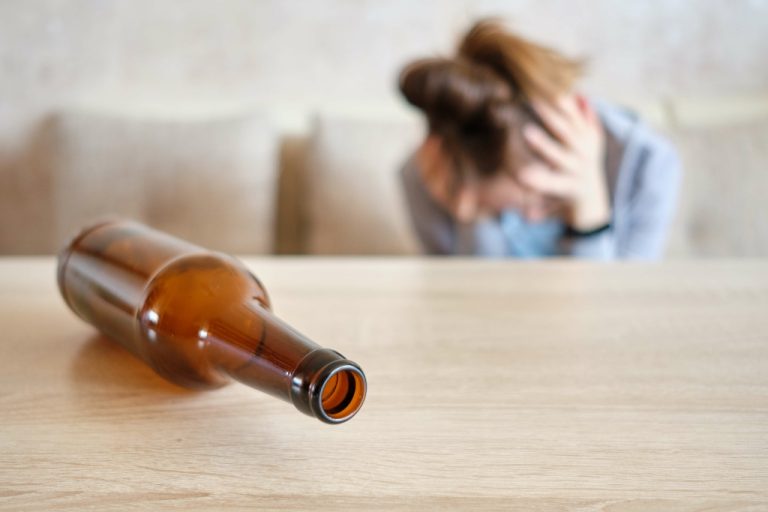
While they are treatable, management for a dual diagnosis is much more challenging. If you drink and develop an addiction, it will become more difficult to control symptoms of depression, reduce the frequency of episodes, and stop or moderate drinking. You may need more frequent and long-term treatment if you have both an alcohol use disorder and depression. Depression is a serious mental health issue that can have a profound impact on the lives of those who suffer from it. While there have been many studies on the effects of alcohol on mental health, the question of whether alcohol makes depression worse is still a subject of debate. In this article, we will explore the potential dangers of drinking alcohol as it relates to depression, as well as potential treatments that can help alleviate the symptoms of depression.
- We offer treatment for people struggling with alcohol addiction and depression.
- This slowing of the CNS is why alcohol may impair your movements, emotions, speech, perceptions, and judgment.
- Drinking may feel good in the moment, but it only makes the problem of depression worse, especially when you are also on medications.
Health Conditions
However, it’s important to recognize that these effects are often short-lived and can be followed by negative consequences such as impaired judgment, decreased coordination, and potential mood swings. At Live Free Recovery Services, we understand the strong connection between alcohol use and depression, including conditions like major depressive disorder. Our programs take a dual-diagnosis treatment approach, addressing both alcohol dependence and feelings of depression to ensure comprehensive care tailored to each client’s individual needs. In this article, we look at the different ways that drinking alcohol can make your depression symptoms worse. Alcohol consumption boosts serotonin levels temporarily, thus improving a depressed person’s mood for a short period. Still, continuous alcohol abuse further reduces their levels, worsening symptoms of depression.
If one is on antidepressants, there is also fair evidence that a night of drinking will temporarily reduce their effectiveness, the experts I’ve spoken to agree. For many abusers of alcohol, there is also a history of depression. Alcohol lies and because it feeds our brain’s serotonin receptors, alcohol it makes us feel good for a short amount of time. But eventually, alcohol abuse causes you to crash and feel even worse than you did before. Many people living with depression drink alcohol to try to numb their symptoms. For a short period of time, many of them feel some sort of relief.
Depressant effect
In fact, alcohol use to cope with depression may precipitate a relapse, or lead to suicidal thoughts. Furthermore, research shows that alcohol use increases both the intensity and duration of episodes of depression. A study in the journal Addiction found that attempting alcohol makes depression worse to deal with depression with alcohol use doubles the risk to develop either condition.
“Cells are living beings, and if you want to fix the issue of depression at the level of the cells, they cannot be inebriated,” says Taylor. “Alcohol makes us feel drunk and confused because alcohol makes the cells drunk and nonfunctional.” Because of this shared connection, treatment for both should include a diet to improve gut function and reduce endotoxin load that contributes to neuroinflammation. Following a Mediterranean diet rich in omega-3s, for example, might be one recommendation. Depression can also be directly caused by alcohol in the case of a substance-induced disorder.
While alcohol may provide temporary relief from stress or negative emotions, it is not a sustainable or healthy long-term solution for managing mental well-being. Seeking support from friends, family, or mental health professionals and exploring healthier coping strategies can be more effective in promoting lasting happiness and overall well-being. Increasing evidence indicates that heavy alcohol use may interfere with depression treatment. Rae, Joyce, Luty, and Mulder (2002) found that among depressed patients with a history of alcohol dependence, those who were current heavy drinkers experienced worse depression treatment outcomes.
Unfortunately, to our knowledge, no extant studies have attempted to determine the level at which alcohol consumption is detrimental to depression treatment. Furthermore, there is likely to be significant individual variation in the level at which alcohol use negatively impacts depressive symptoms and depression treatment. Alternatively, clinicians may choose to recommend at least temporary periods of abstinence for their depressed patients. For many depressed patients, drinking may interfere with the successful treatment of their depression. However, subclinical drinking may not be addressed during the course of psychological or psychiatric treatment for depression. The authors advocate for the routine assessment of alcohol use, beyond questioning to diagnose alcohol abuse or dependence, in psychological and psychiatric settings.
Levels Of Care
People may wish to seek quality psychological care from a doctor, therapist or both. The reason is that alcohol can impair the effectiveness of some antidepressant medications and cause other problems. In addition, a person who uses alcohol and who has depression may not be able to tell which symptoms are due to which issue until they seek treatment. Monoamine oxidase inhibitors, or MAOIs, are antidepressants not commonly used. They potentially cause severe side effects and may even trigger deadly interactions with certain foods and other drugs. You are not likely to be prescribed an MAOI unless other antidepressants and treatments have not worked for you and your doctor believes the benefits outweigh the risks.
Drinking Is Not a Healthy Habit for Managing Depression.
Antidepressants can be useful, but they are not a fix for depression. You still need therapy, healthy coping strategies, a healthy lifestyle, and social support in order to live well with this chronic mental illness. In addition to the physical effects of alcohol, drinking can also lead to negative social consequences. People who are struggling with depression may use alcohol to cope with their emotions, and this can lead to further isolation and loneliness. Drinking can also lead to social embarrassment, which can further worsen depression.
How long after drinking does depression start?
It is never recommended to use alcohol while on antidepressants. If you are having a hard time stopping drinking, seek professional support. Alcohol is a depressant, which means it can interfere with the body’s natural balance of chemicals that regulate mood. Studies have found that people with depression have higher rates of drinking and are more likely to develop alcohol-related problems than those without depression. Heavy alcohol use can worsen symptoms of depression, interfere with medications, and make it difficult to recover.
Some 30 to 50 percent of those who have alcoholism simultaneously suffer from clinical depression (PsychCentral “Alcohol & Depression” by Mark Jacob M.D.) . Often, people will turn to alcohol to self-medicate and feel “normal”. This may initially be just a drink or two, but could culminate with alcoholism. It’s also true that having depression or anxiety makes a person want to drink more, just to cope with the symptoms.